
Rekey or Replace Your Locks? Start With the Brand on Your Door
Before you decide between rekeying and replacing, look at what's actually on your doors. Brand, keyway and condition settle most of the question.
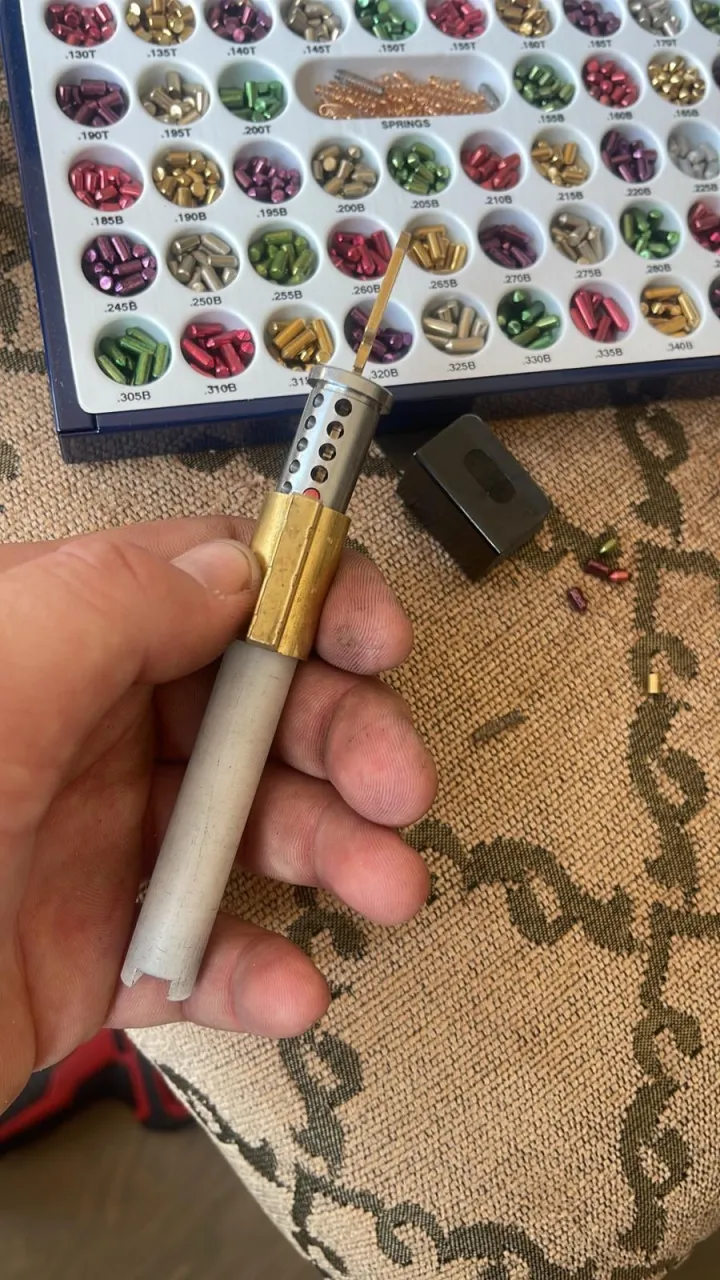
Go look at your locks first
Most rekey-or-replace advice starts with "is the lock in good shape?" That matters, but there's a quicker first step. Walk around the house with your keys and look at the brand name stamped on each key and on the face of each lock.
In a lot of Toronto and GTA homes, you'll find a mix. The front door has the deadbolt the builder put in. The side door got a new handleset from the hardware store a few years ago. The garage entry door has something else again. That mix decides more than you'd think.
What rekeying actually does
Rekeying changes the small pins inside the cylinder so the old keys stop working and a new key does. The lock, the handle and the finish stay. It's the usual move after you buy a house, lose a key, or have a roommate or contractor move on.
Replacing swaps the hardware itself. You do that when the lock is worn, damaged, low quality, or you want something different, like a keypad deadbolt or a lever instead of a knob.
Why the brand matters
One key for every door only works within a keyway. The keyway is the shape of the slot in the cylinder. Locks from different brands usually take different key blanks, so they can't simply be rekeyed to the same key. If you want one key for the front, side and garage doors, mixed brands often mean replacing one or two cylinders or locks so they match.
Builder-grade locks are common in newer subdivisions. In many homes in Brampton, Vaughan, Markham and Oakville, the original locks are Kwikset or Weiser (Weiser is now sold under the Kwikset name in Canada), with Schlage also common. These rekey fine when they're in good condition. When the finish is peeling and the deadbolt is wobbly, rekeying a worn lock is money spent on the wrong thing.
Some locks rekey themselves. Kwikset's SmartKey locks can be rekeyed by the owner with a small tool and a working key. If that's what you have and the locks work well, you may not need a locksmith for the rekey at all. If you've lost the working key, it's a different story.
Older and unusual locks. Century homes in the east end and the west end often have old mortise locks, and some of those take cylinders that are harder to match. We cover those in our post on old mortise locks in Toronto homes.
A quick way to decide
- Same brand everywhere, locks working well: rekey them all to one key.
- Mixed brands, locks working well: rekey what you can, and replace the odd one out (often just the cylinder) so everything shares a key.
- Wobbly, sticky or peeling hardware: replace it. Rekeying won't fix wear.
- Want a keypad or smart lock on one door: replace that one, and pick a model with a key cylinder that can be keyed to match the rest.
- Not sure who has keys and the locks are fine: rekey. It's the fastest way to get control back.
Things that make the visit faster
Count your exterior doors, including the garage entry and any basement walkout. Take a clear photo of each lock face and one of a key next to it. Tell us if you want everything on one key, and whether any door has a lock you already plan to upgrade.
If a lock is hard to turn, check whether the door is the problem first: if the key turns easily with the door open but not closed, the door or strike needs adjusting, not the lock.
Rekeying and lock replacement across the GTA
We rekey and replace locks, key houses alike and install deadbolts through our residential locksmith service, across Toronto, Brampton, Vaughan and Markham. Moving into a newer home? Don't forget the door from the garage. We wrote about the garage-to-house door for that reason.
Want one key for every door? Call or text FixLock at (647) 788-8778 with photos of your locks, and we'll tell you what can be rekeyed and what needs replacing.
Keep reading